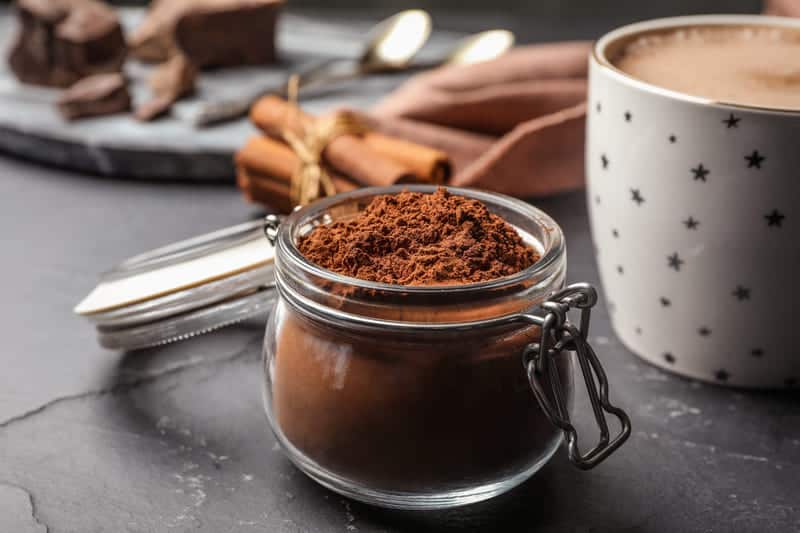
Ran Out of Cocoa? 13 Genius Substitutes for Baking Success
Picture this: You're halfway through mixing up a batch of decadent brownies or a rich chocolate cake, painstakingly measuring out your ingredients, only to realize your cocoa powder canister is utterly, frustratingly, empty. Don't panic! Your baking dreams are far from dashed. In fact, your pantry likely holds a treasure trove of genius cocoa powder substitutes ready to save the day and impart that desirable chocolatey kick.
Cocoa powder is a baking staple, celebrated for its deep chocolate flavor, rich color, and unique textural contribution. But if you're caught without it, a variety of alternatives can step in. From readily available chocolate products to lesser-known gems, we'll guide you through 13 brilliant swaps that will ensure your baking success. Prepare to be amazed by these delightful cocoa powder alternatives!
The Ultimate Guide to Cocoa Powder Substitutes
When searching for a cocoa powder substitute, it's essential to consider the final flavor, texture, and other ingredients in your recipe. Here's a comprehensive look at your options:
1. Chocolate Chips (Semi-Sweet, Milk, Dark)
A go-to for many bakers, chocolate chips aren't just for cookies; they're a surprisingly versatile cocoa powder alternative. While cocoa powder delivers concentrated flavor and dry bulk, chocolate chips introduce fat (cocoa butter) and sugar, along with delightful texture when melted. For a smoother result, melt them gently before incorporating. The choice between semi-sweet, milk, or dark chocolate chips will dictate the final sweetness and intensity of your bake.
- How to substitute: Use 2-3 ounces of chocolate chips for every 1.5 ounces of cocoa powder. Remember to slightly reduce other fats and sugars in your recipe to compensate.
2. Unsweetened Baking Chocolate
This robust form of chocolate is arguably one of the most direct and potent substitutes. Like cocoa powder, it's derived from cocoa beans but retains its cocoa butter content. This means a rich, pure chocolate flavor without added sugar. Grate or finely chop it for easier melting. Due to its fat content, you’ll need to adjust other fats in your recipe.
- How to substitute: For every 3 tablespoons of cocoa powder, use 2 tablespoons of unsweetened baking chocolate. For every ounce of unsweetened baking chocolate used, reduce other fats (like butter or oil) by about half a tablespoon.
3. Dark Chocolate (Bar)
Boasting an intense and sophisticated chocolate profile, dark chocolate bars are another fantastic cocoa powder substitute. Its high cocoa percentage closely mimics the depth of flavor found in cocoa powder, while the presence of cocoa butter adds a luxurious smoothness. Choose a bar with a cocoa percentage similar to the intensity you desire (70% or higher is often ideal). Finely chop or grate it before melting to ensure even distribution and prevent seizing.
- How to substitute: Use 4 tablespoons of melted dark chocolate for every 3 tablespoons of cocoa powder, making sure to account for its inherent fat and sugar.
4. Cacao Nibs (Ground)
For the adventurous baker, cacao nibs offer a more rustic, intense, and slightly bitter chocolate experience. These are simply roasted, crushed cocoa beans – pure and unprocessed. They bring natural fats, antioxidants, and a unique texture. You'll need to grind them thoroughly in a spice grinder or food processor until they achieve a powder-like consistency. Be mindful that the flavor will be more robust and less refined than cocoa powder, and the texture might retain a slight grittiness, which can be desirable in certain recipes like brownies or muffins.
- How to substitute: Substitute it with a 1:1 ratio by weight.
5. Melting Chocolate / Candy Melts
Often found in the baking aisle for confectionery, melting chocolate (or candy melts) can be pressed into service. These are designed to melt smoothly and consistently. While they contain cocoa, they often have added sugars, oils, and stabilizers. They are ideal for glazes, frostings, or fudgy bases where precise texture and easy melting are key. Be sure to reduce sugar and potentially fat in your recipe to avoid an overly sweet or greasy result.
- How to substitute: Use approximately 1.5-2 ounces of melted melting chocolate for every 1 ounce of cocoa powder, adjusting other recipe components for sweetness and fat.
6. Hot Cocoa Mix / Instant Hot Chocolate Powder
Desperate times call for resourceful measures, and your hot cocoa stash might just be the unexpected hero. Hot cocoa mix contains cocoa powder, but it also includes sugar, milk solids, and often thickeners or flavorings. This means significant adjustments are needed. The resulting flavor might be milder and sweeter, with a slight dairy note, making it best for recipes where a delicate chocolate flavor is acceptable.
- How to substitute: For every tablespoon of cocoa powder, use 2-3 tablespoons of hot cocoa mix, then drastically reduce the sugar and potentially the liquid in your recipe.
7. Milk Chocolate (Bar)
If a softer, creamier chocolate note is what you're after, a standard milk chocolate bar can be a viable cocoa powder substitute. Milk chocolate has a lower cocoa percentage than dark chocolate and contains milk solids, giving it a sweeter, milder flavor and a lighter color. Chop and melt the bar thoroughly. You'll need to significantly reduce the sugar and potentially the fat (butter/oil) in your recipe, as it won't provide the deep bitterness of unsweetened cocoa.
- How to substitute: Start with 2 ounces of melted milk chocolate for every 1 ounce of cocoa powder, adjusting for sweetness and fat content.
8. Semi-Sweet Chocolate (Bar)
Sitting comfortably between milk and dark chocolate, semi-sweet chocolate offers a balanced sweetness and cocoa intensity. It’s a versatile option when you need a chocolate flavor that's neither too bitter nor overly sweet. Melted semi-sweet chocolate will add both chocolate flavor and fat to your recipe, so adjust sugar and fat accordingly in your other ingredients.
- How to substitute: Use about 1.5-2 ounces of melted semi-sweet chocolate for every 1 ounce of cocoa powder. This provides a good balance of flavor and relatively less sugar adjustment than milk chocolate.
9. Chocolate Syrup/Sauce
While primarily a liquid, chocolate syrup can surprisingly substitute for cocoa powder in certain, specific applications, particularly liquid-heavy recipes or glazes. It brings a ready-made chocolate flavor but introduces a lot of moisture and sugar. Only consider this for recipes where you can significantly reduce other liquids and sugars. It's generally not suitable for recipes requiring dry bulk or a firm texture.
- How to substitute: For every 3 tablespoons of cocoa powder, you might use 3-4 tablespoons of chocolate syrup, but be prepared for drastic liquid and sugar reductions elsewhere. Best for thin glazes or milkshake-like textures.
10. Chocolate Candy Bars (Plain, Unfilled)
Beyond dedicated baking bars, a plain chocolate candy bar (like a standard milk or dark chocolate bar, not filled) can be melted down and used. Think of it as a less precise version of using baking chocolate or chocolate chips. These bars often have a good balance of sugar and fat, but their exact composition can vary. Chop finely and melt gently, then account for their sugar and fat content when modifying your recipe.
- How to substitute: Similar to using chocolate chips or semi-sweet chocolate, approximately 1.5-2 ounces of melted candy bar per 1 ounce of cocoa powder, with necessary adjustments to other ingredients.
11. Cacao Powder
Here’s where things get interesting – the terms 'cocoa powder' and 'cacao powder' are often used interchangeably, and for good reason! Cacao powder is essentially the raw, unprocessed version of cocoa powder. Both are made by pressing fat from cacao beans and grinding the solids. Cacao powder tends to be richer in nutrients and has a more intense, sometimes slightly fruitier or bitter, flavor profile. It's often darker in color. This is arguably the most straightforward substitute.
- How to substitute: A 1:1 ratio. No significant adjustments needed for fat or sugar, though you might find the flavor slightly different.
12. Dutch-Processed Cocoa Powder
Another almost seamless substitute, Dutch-processed cocoa powder, is a close cousin to natural cocoa powder. It has been treated with an alkali solution to neutralize its acidity. This results in a darker color, a milder, less bitter flavor, and it doesn't react with baking soda in the same way natural cocoa does. If your recipe calls for natural cocoa powder and baking soda, and you use Dutch-processed, you might need to add a little extra leavening (like baking powder) to compensate for the lack of acid interaction.
- How to substitute: Use a 1:1 ratio. It's excellent for brownies, cookies, and frostings where a rich, dark color and mellow flavor are desired.
13. Carob Powder
For those seeking a non-chocolate alternative or facing a chocolate allergy, carob powder steps in as a long-standing cocoa powder substitute. Derived from the pods of the carob tree, it has a naturally sweet, malty, and slightly nutty flavor, distinct from chocolate. It doesn't contain caffeine or theobromine (the stimulants found in chocolate). Because it's naturally sweeter, you may reduce sugar in your recipe.
- How to substitute: Substitute carob powder in a 1:1 ratio for cocoa powder, but be aware the flavor will be distinctly different. It works well in cakes, cookies, and even hot beverages, offering a unique twist.
Navigating Substitutions: Essential Baking Tips for Success
Successfully swapping cocoa powder requires more than just replacing one ingredient with another. Here are crucial tips to ensure your baking triumphs:
- The Golden Rule: Adjustments Are Key: Almost every substitute will require some form of adjustment to the original recipe's fat, sugar, or liquid content.
- Fat Content: When using chocolate-based substitutes (chips, bars, baking chocolate), you're introducing cocoa butter (fat). For every ounce of substitute chocolate, reduce other fats (butter, oil) in your recipe by roughly ½ tablespoon.
- Sugar Level: Unless you're using unsweetened baking chocolate or cacao nibs, your substitute will likely contain sugar. Significantly reduce the sugar called for in the original recipe to avoid an overly sweet result.
- Liquid Balance: Melting chocolate adds some moisture, and liquid substitutes like syrup add a lot. Compensate by slightly reducing other liquids (milk, water, etc.) in your recipe, or adding a tablespoon or two of flour if your batter seems too thin.
- Flavor Intensity: Taste your substitute chocolate before adding it. A darker, higher-percentage chocolate will provide a more intense flavor similar to cocoa powder, while milk chocolate will be milder and sweeter.
- Melting Method: Always melt chocolate gently – a double boiler or microwave on low power, stirring frequently, prevents scorching and ensures a smooth consistency.
- Texture Matters: Consider how the substitute will affect the final texture. Cocoa powder provides dry bulk and can create a slightly crumbly texture; melted chocolate adds richness, density, and can make baked goods fudgier.
A Deeper Dive: What Makes Cocoa Powder Unique?
Cocoa powder, the star ingredient often missing from our pantries, boasts a rich history dating back to ancient Mesoamerican civilizations. It's a highly concentrated, unsweetened chocolate product made from roasted and ground cocoa beans. After fermentation and roasting, the beans are pressed to remove most of their fat (cocoa butter), leaving behind 'cocoa solids' which are then ground into a fine powder.
The absence of cocoa butter is what gives cocoa powder its distinct dry texture and intense, often slightly bitter, flavor profile. This also makes it a powerful ingredient for color and depth in baking. There are two main types:
- Natural Cocoa Powder: This is acidic and typically reacts with baking soda to provide leavening. It has a lighter color and a sharper chocolate flavor.
- Dutch-Processed Cocoa Powder: This type has been treated with an alkali solution to neutralize its acidity. It results in a darker color, a milder, less bitter flavor, and does not react with baking soda. Recipes using Dutch-processed cocoa usually rely on baking powder for leavening.
Understanding these characteristics helps explain why running out can be a challenge, but also how other chocolate products can effectively fill its shoes.
Conclusion
Running out of cocoa powder might feel like a disaster, but as we've explored, your pantry likely holds a delicious solution. From versatile chocolate chips to intense unsweetened baking chocolate, and even the unique profile of carob powder, there's a world of cocoa powder alternatives waiting to elevate your baking. Embrace the opportunity to experiment, adjust, and perhaps even discover a new favorite chocolatey twist for your recipes. Happy baking, even when the cocoa jar is bare!
For more expert insights into creative cocoa powder swaps and baking hacks, explore our guides on Master Cocoa Powder Swaps: Chips, Baking Chocolate & More and Expert Picks: Delicious Cocoa Powder Alternatives Revealed.
