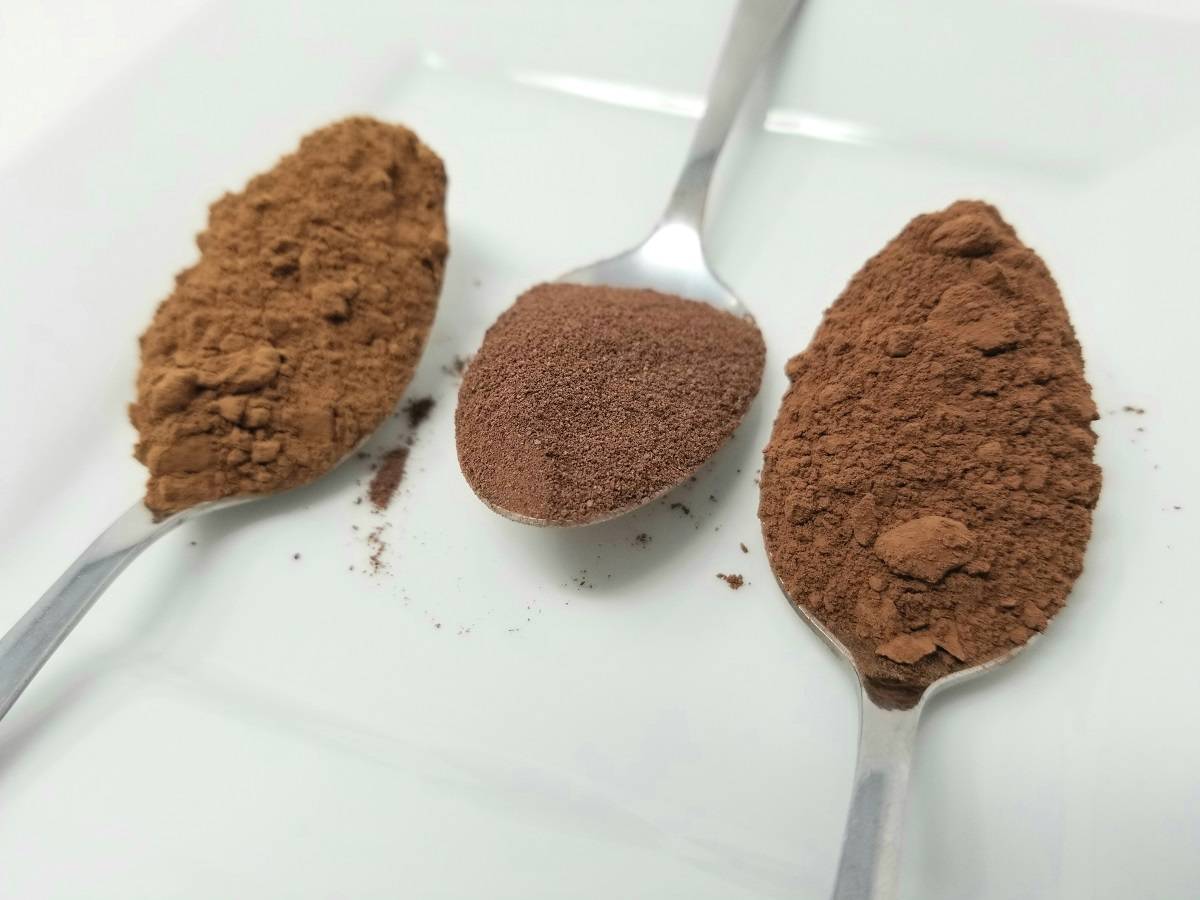
Running low on an essential ingredient like cocoa powder can feel like a culinary crisis, especially when a craving for chocolatey goodness strikes. But don't despair! Your pantry likely holds several fantastic cocoa powder substitute options that can save your recipe and deliver that rich, deep chocolate flavor you're after. From everyday chocolate chips to sophisticated cacao nibs, understanding these alternatives empowers you to keep baking, cooking, and creating without a hitch. Get ready to embark on a delicious journey as we explore the best ways to swap, adjust, and master the art of the chocolate alternative.
What Exactly is Cocoa Powder?
Before diving into substitutes, it’s helpful to understand what cocoa powder is. This highly concentrated, unsweetened chocolate product is made from cacao beans that have undergone fermentation, roasting, and grinding. The crucial step involves pressing out most of the cocoa butter (fat), leaving behind solid "cocoa cakes" which are then ground into a fine powder. This process gives cocoa powder its intense chocolate flavor and characteristic dryness.
There are two main types you'll encounter: natural cocoa powder (acidic) and Dutch-processed cocoa powder (neutralized with an alkali). While they behave differently with leavening agents in baking, both offer pure cocoa solids, making them distinct from sweetened chocolate products. Knowing this will help you make smarter substitutions, especially when it comes to balancing flavor, sweetness, and fat in your recipe.
Top-Tier Cocoa Powder Substitutes for Baking & Beyond
When you're out of cocoa powder, these options are often your first and best line of defense, offering similar chocolatey goodness with minor adjustments.
Chocolate Chips
Ah, chocolate chips – a staple in most baking enthusiasts' pantries! These versatile morsels aren't just for cookies; they make an excellent cocoa powder substitute in a pinch. They bring a rich chocolate flavor and can add a delightful textural element to your final product, whether melted into a batter or left whole in certain recipes.
- Flavor Profile: Generally sweeter and contain more fat (cocoa butter and sometimes other fats) than pure cocoa powder.
- Best For: Cookies, brownies, muffins, or melted into sauces and glazes where their sweetness and fat content can be easily accommodated.
- How to Substitute: For every 1.5 ounces of cocoa powder, use 2-3 ounces of chocolate chips. You'll need to melt the chocolate chips first for smooth integration into batters or liquids. If a recipe calls for unsweetened cocoa, remember to slightly reduce the sugar content elsewhere in your recipe to balance the added sweetness from the chips. You might also need to slightly reduce other fats if your recipe already calls for a lot, as chocolate chips contribute significant cocoa butter.
Unsweetened Baking Chocolate
Unsweetened baking chocolate is perhaps one of the most chemically similar cocoa powder substitute options because both are derived directly from cocoa beans. The primary difference is that baking chocolate retains a significant amount of its natural cocoa butter, making it a solid block of pure, intense chocolate flavor without any added sugar.
- Flavor Profile: Deep, pure, and very bitter chocolate flavor. Contains cocoa butter, which adds richness and smoothness.
- Best For: Cakes, brownies, ganaches, and other recipes where an intense chocolate flavor is desired, and you have control over the added sugar.
- How to Substitute: For every 3 tablespoons of cocoa powder, use 2 tablespoons of unsweetened baking chocolate. Due to the high cocoa butter content in baking chocolate, you'll need to adjust the fat elsewhere in your recipe. A good rule of thumb is to reduce other fats (like butter or oil) by about 1 tablespoon for every 2 tablespoons of baking chocolate used. Melt the baking chocolate before incorporating it into your recipe for seamless blending.
Dark Chocolate
Dark chocolate, a beloved treat on its own, can also step in as a flavorful cocoa powder alternative. Its richness and depth of flavor are comparable to cocoa powder, though it also contains sugar and cocoa butter, which will require some adjustments to your recipe.
- Flavor Profile: Intense and complex, with varying levels of sweetness and bitterness depending on the cocoa percentage. The cocoa butter provides a smooth, luxurious mouthfeel.
- Best For: Desserts where a slightly sweeter, richer chocolate flavor is welcome, such as cakes, tortes, and mousses. Ensure you use a high-quality dark chocolate with a cocoa percentage of 60% or higher for the best results.
- How to Substitute: For every 3 tablespoons of cocoa powder, use 4 tablespoons of melted dark chocolate. You'll want to finely chop or grate the dark chocolate before melting it to ensure even integration. Similar to baking chocolate, the cocoa butter content means you might need to slightly reduce other fats in your recipe. Also, taste your batter or dough, as you may need to reduce the sugar content to account for the sweetness in the dark chocolate.
Cacao Nibs
For the adventurous baker seeking a truly unique chocolate experience, cacao nibs offer a raw, unadulterated flavor. These small, crushed pieces of fermented, roasted, and dried cacao beans are essentially chocolate in its purest form before any processing into liquor, powder, or bars. They're packed with natural fats and antioxidants.
- Flavor Profile: Very intense, slightly bitter, earthy, and nutty, with a robust chocolate essence. They are not sweet.
- Best For: Recipes where a textural crunch and intense, slightly rustic chocolate flavor are desired. Great in smoothies, granola, energy bites, or as a topping. When ground, they can provide a unique flavor in baked goods, though the texture will be less smooth than traditional cocoa powder.
- How to Substitute: Grind cacao nibs in a spice grinder or food processor until they achieve a powder-like consistency. Substitute them at a 1:1 ratio with cocoa powder. Be aware that the texture will be slightly gritty, and the flavor will be more robust and less refined than cocoa powder. You might need to add a touch more sugar to your recipe to balance their inherent bitterness, and possibly a tiny bit more liquid if the ground nibs absorb more moisture.
Creative Alternatives for Unexpected Moments
Beyond the primary swaps, your pantry might hold a few other surprises that can provide that much-needed chocolate kick.
Melting Chocolate / Chocolate Candy Melts
Often used for dipping and coating, "melting chocolate" or candy melts can work in a pinch, though they differ significantly from pure cocoa powder. These products are formulated to melt smoothly and harden well, often containing vegetable fats in addition to or instead of cocoa butter, and are almost always sweetened.
- Flavor Profile: Sweet, milder chocolate flavor. The specific fat content will vary by brand.
- Best For: Recipes where a milder, sweeter chocolate flavor is acceptable, and where the texture isn't paramount. Think simple brownies or cookies where the texture can be adjusted.
- How to Substitute: Melt the chocolate before adding it. Adjust sugar significantly downwards in your recipe, and potentially reduce other fats. Use sparingly and taste as you go, as the flavor and fat profile can vary widely.
Hot Cocoa Mix
Instant hot cocoa mix is a surprisingly viable option if you're truly desperate, but it comes with a major caveat: it's already packed with sugar, milk solids, and often other flavorings. This means careful adjustments are essential.
- Flavor Profile: Sweet and creamy, designed for drinking. Milder chocolate flavor than pure cocoa.
- Best For: Less complex baked goods like simple cakes or muffins where a softer, sweeter chocolate note is acceptable. Not ideal for recipes requiring a deep, intense chocolate flavor.
- How to Substitute: For every 3 tablespoons of cocoa powder, you can try using 3-4 tablespoons of hot cocoa mix. Crucially, you must drastically reduce the sugar content in your recipe (by at least 1/4 to 1/2 cup for every 3-4 tablespoons of mix). You might also need to slightly reduce other liquids or fats to account for the milk solids and other ingredients in the mix.
Cacao Powder (and Dutch-Processed Cocoa Powder)
While often confused, raw cacao powder is actually very similar to natural cocoa powder, just processed at a lower temperature, retaining more nutrients. As for Dutch-processed cocoa, it *is* cocoa powder, just treated differently. The good news is, if you have either of these, you have a perfect cocoa powder substitute!
- Cacao Powder: Can be substituted 1:1 for natural cocoa powder. It might have a slightly fruitier, earthier taste.
- Dutch-Processed Cocoa Powder: Can be substituted 1:1 for natural cocoa powder in most recipes, but be mindful of leavening. If your recipe calls for natural cocoa powder and baking soda (which needs an acid to react), and you use Dutch-processed (which is neutral), you might need to add a touch of acid (like cream of tartar or vinegar) or switch to baking powder for proper rise. However, for recipes relying solely on baking powder or no leavening, it’s a direct swap.
Mastering the Swap: Essential Tips for Success
Successfully replacing cocoa powder isn't just about the right ingredient; it's also about making smart adjustments to your recipe. Here are some pro tips:
- Balance Sweetness: Most chocolate substitutes (chips, dark chocolate, hot cocoa mix) contain sugar. Always be prepared to reduce the sugar called for in your original recipe. Taste your batter or dough if possible!
- Adjust Fat Content: Baking chocolate, dark chocolate, and chocolate chips all contain cocoa butter or other fats. When using these, you'll likely need to reduce other fats in your recipe (like butter or oil) to maintain the desired texture and prevent an oily or dense result.
- Consider Liquid: If melting a chocolate product, it introduces a small amount of liquid into your recipe. In some delicate recipes, you might need to slightly reduce other liquids.
- Texture Matters: Remember that even melted chocolate products will contribute a slightly different texture than dry cocoa powder. Cacao nibs, even when ground, will give a grittier result.
- Recipe Compatibility: Some substitutes are better suited for specific recipes. Chocolate chips are great for cookies, while baking chocolate is ideal for intense chocolate cakes. Consider the end goal of your recipe.
- Don't Be Afraid to Experiment: While these guidelines provide a starting point, every substitute will impart a slightly different nuance. Embrace the opportunity to discover new flavor profiles and textures!
For more genius ways to navigate a cocoa-less kitchen, check out Ran Out of Cocoa? 13 Genius Substitutes for Baking Success, or delve deeper into expert recommendations with Expert Picks: Delicious Cocoa Powder Alternatives Revealed.
Conclusion
Running out of cocoa powder doesn't have to spell disaster for your chocolate cravings or baking plans. With a little creativity and a solid understanding of your available alternatives, you can confidently swap in chocolate chips, baking chocolate, dark chocolate, or even hot cocoa mix and still achieve delicious results. Each cocoa powder substitute brings its own unique characteristics in terms of flavor, sweetness, and fat content, making careful adjustments key to success. So, the next time your cocoa tin is empty, remember these masterful swaps, unleash your inner culinary innovator, and enjoy the delightful journey of chocolate discovery!
