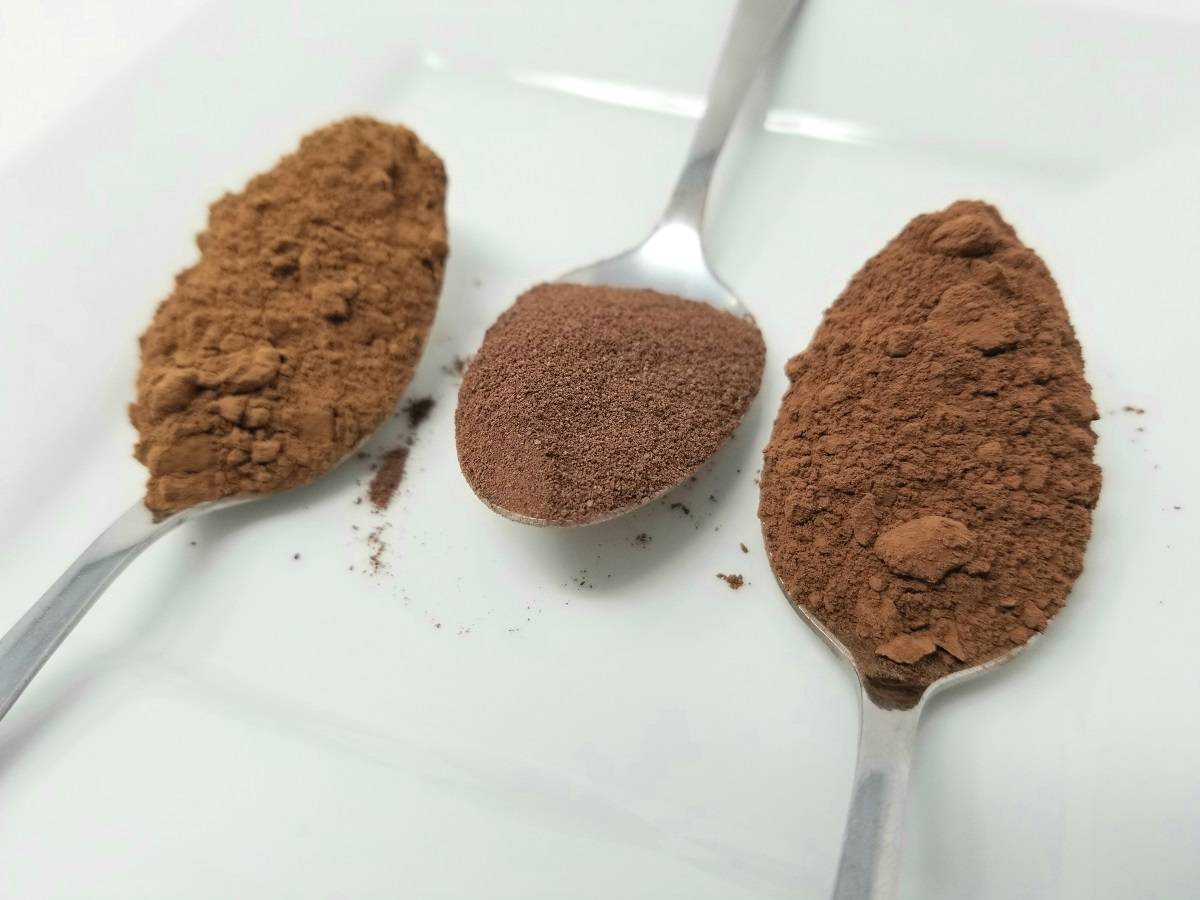
When Your Pantry Runs Dry: The Quest for the Perfect Cocoa Powder Substitute
Picture this: you're halfway through a recipe for a luscious chocolate cake, a batch of chewy brownies, or a comforting mug of hot cocoa, and disaster strikes – your cocoa powder container is empty! Don't let a missing ingredient derail your culinary ambitions. While cocoa powder is a staple for imparting deep, rich chocolate flavor and a beautiful color to countless dishes, there's a world of equally delicious and versatile
cocoa powder substitute options waiting in your pantry.
Far from being mere compromises, these alternatives can open up new dimensions of flavor and texture, perhaps even leading you to discover a new favorite way to achieve that irresistible chocolatey kick. Whether you're a seasoned baker or a curious home cook, understanding these expert picks will empower you to confidently navigate any baking emergency and elevate your chocolate creations. Get ready to embark on a delightful journey through the best replacements for cocoa powder, ensuring your treats are always full of flavor, even when your go-to ingredient is out of reach. For a comprehensive guide to navigating all sorts of kitchen ingredient dilemmas, you might also find valuable insights in our article on
Ran Out of Cocoa? 13 Genius Substitutes for Baking Success.
Understanding Cocoa Powder: More Than Just Chocolate Dust
Before diving into alternatives, it's helpful to understand what cocoa powder is and why it's so beloved. Cocoa powder is a highly concentrated, unsweetened chocolate product derived from fermented, roasted, and ground cacao beans. After the beans are processed, the cocoa butter (fat) is pressed out, leaving behind a solid "cocoa press cake." This cake is then ground into the fine powder we know and love.
Historically, cocoa has been cherished for centuries, with its origins tracing back to Mesoamerican civilizations. Introduced to Europe by Spanish conquistadors in the 16th century, it quickly evolved from a ceremonial drink to a global culinary sensation. Its unique properties – intense chocolate flavor without added sugar, and the ability to absorb liquids and contribute to structure – make it invaluable in baking and beverage preparation. It's the backbone of everything from rich fudge to fluffy chocolate mousses. When seeking a
cocoa powder substitute, we're essentially looking for ingredients that can replicate these crucial characteristics to varying degrees.
Expert-Approved Cocoa Powder Alternatives for Every Recipe
The good news is that your kitchen likely already holds several fantastic alternatives that can step in when cocoa powder is unavailable. Each substitute brings its own unique qualities to the table, impacting flavor, texture, and often, the need for minor recipe adjustments.
Chocolate Chips: The Versatile Sweetener
Chocolate chips are a common pantry item and an excellent
cocoa powder substitute, especially in recipes where their added sweetness and melting properties are welcome. They deliver a rich chocolate flavor and a delightful textural element when baked into cookies, muffins, or even pancakes. The key difference is their sugar and fat content compared to unsweetened cocoa powder.
*
Why it works: Chocolate chips are essentially small pieces of sweetened, solid chocolate, containing cocoa solids, cocoa butter, and sugar. When melted, they provide a smooth, chocolatey base.
*
Best for: Cookies, brownies, molten lava cakes, and recipes where a slightly sweeter, richer result is desired.
*
How to substitute: For every
1.5 ounces of cocoa powder, use
2-3 ounces of chocolate chips. Because chocolate chips are sweetened and contain fat, you'll need to make adjustments to your recipe. Reduce the amount of sugar and fat (like butter or oil) in your recipe slightly. If the recipe calls for unsweetened cocoa, using unsweetened chocolate chips (if you can find them) would minimize sugar adjustments, but they are less common.
*
Expert Tip: For the best results, melt the chocolate chips gently before incorporating them into your wet ingredients, especially if the recipe requires a smooth batter. This prevents lumps and ensures even distribution of flavor.
Unsweetened Baking Chocolate: The Pure Chocolate Essence
Unsweetened baking chocolate, often found in bars or squares, is perhaps one of the most direct and purest substitutes for cocoa powder due to their shared origin and intense flavor profile. Both are derived from cocoa beans, with the primary distinction being the presence of cocoa butter (fat) in baking chocolate.
*
Why it works: Unsweetened baking chocolate offers an intense, pure chocolate flavor without any added sugar, much like unsweetened cocoa powder. Its cocoa butter content adds richness and a smooth mouthfeel.
*
Best for: Recipes where a deep, authentic chocolate flavor is paramount, such as fudge, rich chocolate cakes, and mousses, where you want precise control over sweetness.
*
How to substitute: For every
3 tablespoons of cocoa powder, use
2 tablespoons (or 1 ounce) of unsweetened baking chocolate. Because baking chocolate contains cocoa butter, you will need to reduce the amount of fat (butter, oil, shortening) in your recipe by about 1 tablespoon for every 1 ounce of baking chocolate used. You might also need to slightly increase liquid to compensate for the solid nature of the chocolate.
*
Expert Tip: Finely chop the baking chocolate before melting it gently over a double boiler or in the microwave (in short bursts) to prevent burning and ensure a smooth consistency.
Dark Chocolate: A Balanced and Flavorful Swap
Dark chocolate offers a wonderfully rich and complex flavor profile that can perfectly mimic or even enhance the chocolate intensity of cocoa powder. Its cocoa content typically ranges from 50% to 90% or higher, giving you control over the bitterness and sweetness.
*
Why it works: High-quality dark chocolate shares the deep, intense cocoa flavor of cocoa powder. Its cocoa butter content adds richness, smoothness, and body to your final product.
*
Best for: Any recipe benefiting from a sophisticated, less sweet chocolate note, including gourmet desserts, ganaches, and sophisticated cakes. Choose a dark chocolate with a cocoa percentage similar to the intensity you desire.
*
How to substitute: For every
3 tablespoons of cocoa powder, use
4 tablespoons (or 2 ounces) of melted dark chocolate. Since dark chocolate contains sugar and fat, you'll need to slightly reduce both the sugar and fat specified in your recipe. A good starting point is to reduce the sugar by about 1-2 tablespoons and fat by 1 tablespoon per 2 ounces of dark chocolate.
*
Expert Tip: Grate or finely chop the dark chocolate before melting for easier incorporation and a smoother result. Consider the cocoa percentage; a higher percentage means less sugar, requiring fewer adjustments.
Cacao Nibs: The Raw & Rustic Option
Cacao nibs are essentially pure, raw, unroasted, and crushed cacao beans. They are the least processed form of chocolate and offer a uniquely earthy, slightly bitter, and intensely chocolatey flavor with a crunchy texture. While not a direct texture match for cocoa powder, they can be processed to serve as a fascinating
cocoa powder substitute.
*
Why it works: Cacao nibs are packed with natural cocoa solids and fats, delivering an authentic, robust chocolate flavor along with antioxidants. When ground, they can approximate the powder consistency.
*
Best for: Recipes where you appreciate a slightly coarser texture and a more rustic, less sweet chocolate experience, such as certain baked goods, smoothies, or as a crunchy topping. They are also great for those seeking a less processed option.
*
How to substitute: Use a
1:1 ratio by weight. For example, if your recipe calls for 1.5 ounces of cocoa powder, use 1.5 ounces of cacao nibs. However, you must first grind the cacao nibs into a fine powder using a spice grinder or a powerful food processor until it resembles cocoa powder. You will also likely need to add a touch more sweetener to your recipe, as cacao nibs are unsweetened and quite bitter.
*
Expert Tip: Be mindful that the texture will still be slightly coarser than traditional cocoa powder, and the flavor will be more intense and less processed. They can also add a unique speckled appearance to your baked goods.
Hot Cocoa Mix: The Sweet and Simple Solution
When you're in a pinch and need a quick chocolate fix, instant hot cocoa mix can surprisingly come to the rescue, especially for less complex recipes or beverages.
*
Why it works: Hot cocoa mix contains cocoa powder, sugar, and often powdered milk, creamer, or other flavorings. It delivers a familiar chocolate flavor.
*
Best for: Beverages like smoothies or milkshakes, simple desserts where the additional sugar and milk solids won't drastically alter the recipe, or for a quick batch of chocolate pancakes.
*
How to substitute: For every
3 tablespoons of cocoa powder, use
2-3 tablespoons of hot cocoa mix. However, because hot cocoa mix is already sweetened, you'll need to significantly reduce the sugar in your recipe. You might also want to slightly reduce any liquid ingredients to account for the powdered milk/creamer in the mix.
*
Expert Tip: Taste your batter or dough before adding all the sugar from the original recipe, and adjust gradually. Be aware that the added ingredients in hot cocoa mix might subtly change the texture and flavor profile of your finished dish.
Melting Chocolate / Chocolate Wafers: For a Smooth Finish
Melting chocolate, often sold as wafers or callets, is specifically designed for easy melting and a smooth, glossy finish, making it another viable
cocoa powder substitute. This category includes compound chocolates and couverture chocolates.
*
Why it works: Similar to chocolate chips and baking chocolate, melting chocolate contains cocoa solids and fat, offering a rich chocolate flavor when melted. Its formulation ensures a consistent, smooth texture.
*
Best for: Coatings, glazes, truffles, and recipes where a very smooth, flowing chocolate component is essential.
*
How to substitute: For every
1.5 ounces of cocoa powder, use approximately
2 ounces of melting chocolate. Like other solid chocolate forms, you will need to adjust for the fat and sugar content. Reduce added fat by about 1 tablespoon and sugar by 1-2 tablespoons per 2 ounces of melting chocolate used.
*
Expert Tip: Use high-quality melting chocolate for the best flavor. These are excellent when you need chocolate to set smoothly, like for dipping fruit or making chocolate decorations. You can explore more detailed guidance on various chocolate swaps and baking alternatives in
Master Cocoa Powder Swaps: Chips, Baking Chocolate & More.
Mastering the Swap: Key Considerations for Successful Substitution
Successfully substituting cocoa powder goes beyond simply swapping one ingredient for another. It involves understanding how each alternative impacts the overall balance of your recipe.
*
Fat Content: Most solid chocolate substitutes (chocolate chips, baking chocolate, dark chocolate, melting chocolate) contain cocoa butter or other fats. This means you’ll almost always need to reduce the amount of butter, oil, or other fats in your recipe. Ignoring this can result in a greasy, heavy, or overly rich final product.
*
Sugar Content: Unsweetened cocoa powder contains no sugar, while most solid chocolates and hot cocoa mix do. Be prepared to significantly reduce the sugar called for in your original recipe. Start by cutting down by half, then taste and adjust. This is particularly crucial with dark chocolate (depending on its cocoa percentage) and hot cocoa mix.
*
Liquid Content: While cocoa powder is a dry ingredient that absorbs liquid, solid chocolates add moisture as they melt. You might need to slightly increase the liquid content in your recipe when using very dry substitutes (like ground cacao nibs) or slightly decrease it when using very fatty or melted chocolate substitutes, especially if the recipe becomes too thin.
*
Flavor Intensity: The intensity of chocolate flavor can vary greatly among substitutes. Unsweetened baking chocolate and high-percentage dark chocolate will provide a deep, bitter chocolate note, while chocolate chips and hot cocoa mix will be sweeter and milder. Adjust according to your desired outcome.
*
Texture and Consistency: Consider how the substitute will affect the texture. Melted chocolates add smoothness and richness. Ground cacao nibs will add a slight chew or crunch. These textural changes can be delightful but should be anticipated.
Beyond the Basics: Tips for Elevating Your Chocolate Creations
Even when improvising with a
cocoa powder substitute, you can ensure your final product is nothing short of spectacular.
*
Taste and Adjust: Always taste your batter or dough (if safe to do so) before baking. This allows you to make minor adjustments to sweetness, bitterness, or moisture levels.
*
Experiment with Confidence: Don't be afraid to experiment! Each substitute offers a slightly different nuance. You might find that dark chocolate gives your brownies an unexpected depth, or cacao nibs add a delightful crunch to your muffins.
*
Consider the Recipe Type: Some substitutes are better suited for certain recipes. For instance, baking chocolate is excellent for rich, dense cakes, while chocolate chips are perfect for cookies.
*
Quality Matters: When using solid chocolates, opting for high-quality brands will always yield superior flavor and texture in your finished dish.
*
Documentation: If you successfully use a substitute, make a note of the adjustments you made for future reference!
Conclusion
Running out of cocoa powder no longer means abandoning your baking plans. With a variety of delicious and effective alternatives at your fingertips, you can confidently tackle any chocolate-infused recipe. From the classic richness of unsweetened baking chocolate and dark chocolate to the versatile sweetness of chocolate chips and the rustic charm of cacao nibs, each
cocoa powder substitute offers a unique path to chocolatey deliciousness. By understanding the nuances of fat, sugar, and liquid adjustments, you'll not only save your recipe but also potentially unlock new flavor profiles and culinary creativity. So, the next time your cocoa container is bare, embrace the adventure – your taste buds will thank you!